
In the realm of digital finance, e-invoicing has emerged as a game-changer, offering significant benefits to businesses in Malaysia. From streamlined processes to enhanced security measures erp Malaysia, the adoption of e-invoicing presents a compelling opportunity for cost savings and operational efficiency.
This article explores the advantages, implementation strategies, and future trends in e-invoicing technology, providing insight for businesses seeking to unlock the potential of electronic invoicing in the Malaysian market.
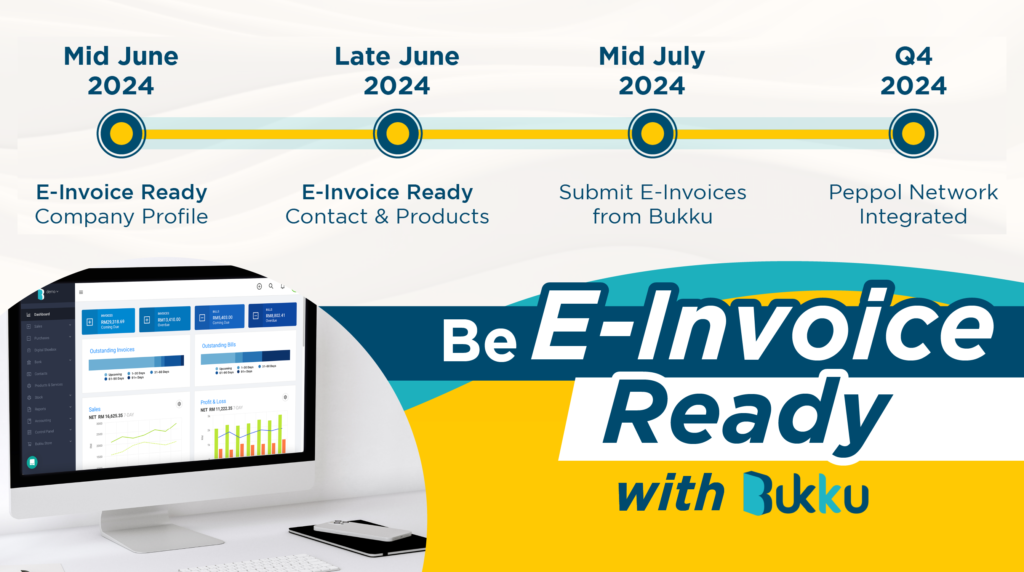
Benefits of E-Invoicing in Malaysia
The efficiency of e-invoicing in Malaysia enhances cost savings and streamlines business processes. By digitizing the invoicing system, businesses can significantly reduce paper usage, postage costs, and manual processing time https://aspert.com.my/. This shift towards electronic invoicing not only benefits the environment but also frees up resources that can be allocated to more strategic activities.
Moreover, e-invoicing promotes faster payment cycles, improving cash flow management for businesses of all sizes. The streamlined process reduces the likelihood of errors that can occur in manual data entry, leading to fewer discrepancies and disputes between buyers and sellers. With e-invoicing, businesses in Malaysia can enjoy greater transparency and traceability in their financial transactions, enhancing trust and accountability in the business ecosystem.
Implementation Process of E-Invoicing
Efficiently implementing e-invoicing in Malaysia involves a structured approach that aligns with industry best practices and regulatory requirements. The process typically begins with assessing the organization’s current invoicing system to identify areas for improvement and determine the scope of the e-invoicing implementation.
Next, selecting a reliable e-invoicing solution provider is crucial to ensure seamless integration with existing systems and compliance with Malaysian regulations.
Once the e-invoicing solution is chosen, customization and configuration according to the organization’s specific needs are essential. This step includes setting up templates, workflows, and approval processes to streamline the invoicing procedures. Training employees on using the new e-invoicing system effectively is also vital to ensure a smooth transition and maximize efficiency.
After the system is implemented, ongoing monitoring and evaluation are necessary to identify any issues and make necessary adjustments. Continuous improvement and optimization of the e-invoicing process are key to reaping the full benefits of this digital transformation in Malaysia.
Cost Savings With E-Invoice Adoption
Cost savings through E-invoice adoption in Malaysia can significantly benefit organizations. By transitioning from traditional paper-based invoicing to electronic invoicing, businesses can experience cost reductions in various areas. One major cost-saving aspect is the elimination of paper, printing, and postage expenses associated with traditional invoicing methods. E-invoices also reduce the need for manual data entry, leading to lower labor costs and fewer errors in the invoicing process.
Moreover, the automation features of E-invoicing systems streamline the entire invoicing process, saving time and resources. This efficiency not only reduces operational costs but also allows organizations to reallocate manpower to more strategic tasks. Additionally, electronic invoices promote faster payment cycles, which can improve cash flow and reduce the need for costly external financing.
Security Measures for E-Invoice Data
Transitioning to electronic invoicing in Malaysia necessitates implementing robust security measures to safeguard sensitive data and prevent unauthorized access. As electronic invoices contain confidential information such as financial details and personal data, it is imperative to prioritize security protocols.
One fundamental security measure is encryption, which encodes the data to make it unreadable to unauthorized users. Implementing multi-factor authentication adds an extra layer of protection by requiring users to provide multiple forms of verification before accessing the e-invoice system.
Regular security audits and updates to patch vulnerabilities are essential to stay ahead of potential threats. Additionally, restricting access to e-invoice data based on roles and responsibilities helps prevent unauthorized individuals from viewing or manipulating sensitive information.
Training employees on cybersecurity best practices also plays a crucial role in maintaining a secure e-invoice environment. By adopting these security measures, businesses in Malaysia can confidently embrace electronic invoicing while ensuring the protection of valuable data.
Future Trends in E-Invoicing Technology
The adoption of advanced technologies in e-invoicing systems is shaping the future landscape of electronic invoicing in Malaysia. One major trend that is gaining momentum is the integration of artificial intelligence (AI) and machine learning algorithms in e-invoicing platforms. These technologies enhance the automation of invoice processing, leading to increased efficiency and accuracy in handling large volumes of invoices. Additionally, blockchain technology is being explored to provide a more secure and transparent way of storing invoice data. By leveraging blockchain, e-invoicing systems can ensure tamper-proof records and streamline the verification process between buyers and sellers.
Another emerging trend is the implementation of mobile e-invoicing solutions, allowing users to generate, send, and track invoices conveniently from their smartphones or tablets. This trend caters to the growing need for mobility and flexibility in business operations. Furthermore, the use of cloud-based e-invoicing platforms is on the rise, offering scalability, accessibility, and cost-effectiveness to businesses of all sizes. As Malaysia continues to embrace digital transformation, these future trends in e-invoicing technology are set to revolutionize the invoicing processes, making them more efficient, secure, and user-friendly.
Conclusion
In conclusion, e-invoicing in Malaysia offers numerous benefits, including cost savings, efficiency, and improved security measures for data.
The implementation process of e-invoicing requires careful planning and adherence to regulatory requirements.
As technology continues to advance, future trends in e-invoicing are expected to further streamline processes and enhance the overall invoicing experience for businesses in Malaysia.